Flowers
consider of add together some perennial to your garden , but live in a place where deer cast freely ? Fear not ! There are are in reality a turn of different perennial that deer will avoid . In this article , manifest schoolmaster nurseryman Laura Elsner shares her favored cervid - resistant perennials that you could add to your garden !
message

horticulture is always a game of give and take . It is alive , and part of the ecosystem . There will always be things attacking and eating it . From bugs and clout to squirrel and hare . To some extent , this is theprice we ante up to have beautiful gardens .
One of the larger cuss that come into our gardens , and work havoc , are the most innocent seem tool . I ’m sing about deer . These all-inclusive eyed majestic fauna can turn our garden , our hours of severe work , into a midnight garden buffet . It is frustrating , to say the least .
While there are manysolutions to dissuade deer . From chemical substance atomizer to fencing , or even a yappy dog . Sometimes , the best check is simply planting the affair they do n’t wish so they quash your garden tout ensemble . create a beautiful garden that cervid dislike is potential .
Plant Traits That Repel Deer
There are three main attributes that plant have that a deer does not like . Some have a combining of the three that make it even less likable to a deer . Let ’s take a look at the most vernacular works traits that will repel cervid from your garden .
Deer do not like anything that has a pungent odor . Finding plant life that have smell will discourage deer . This one does not always work . It really look on how hungry the cervid is / are . They will avoid it , but a very hungry cervid may feed a scented flora if there is nothing else available .
cervid do not care eat things with a crude or teetotal texture . Again , if the deer is hungry enough , and the texture is semi palettable , the deer may sample it . But if this is combined with something that has a sense of smell and a terrible texture it will double duty dissuade a cervid .

Deer as well as most animals , lean to avoid plants with thorns . This is due to the possibleness of accidental injury during when they are attempting to eat the plant .
This is the failsafe flora . cervid will not exhaust vicious plants . Their instincts assure them to forfend them . So adding plants to your garden that are poisonous to mammals will keep cervid away . Dogs and pocket-sized humans however may not have the same instinct , so always use caveat when implant toxic plants .
This is especially true if you have a blackguard that loves crunch on everything , or minor curious child . Before I scare you out of planting poisonous industrial plant , you probably already do have some in your garden whether you make out it or not !

Many common plant are toxic . I do keep venomous plant in my garden , my kids roll in the hay to ask me before they sample anything ( they are always into the chives ) .
Deer Resistant Perennials
There are many different types ofdeer repellent repeated plant life , from garden pasturage , to bloom and shrubs . What you pluck , will depend on your garden goals , your geography , and also probable the amount of deer you have in your arena . Let ’s take a deep look into our favorite perennials that will keep the cervid away from your garden quad .
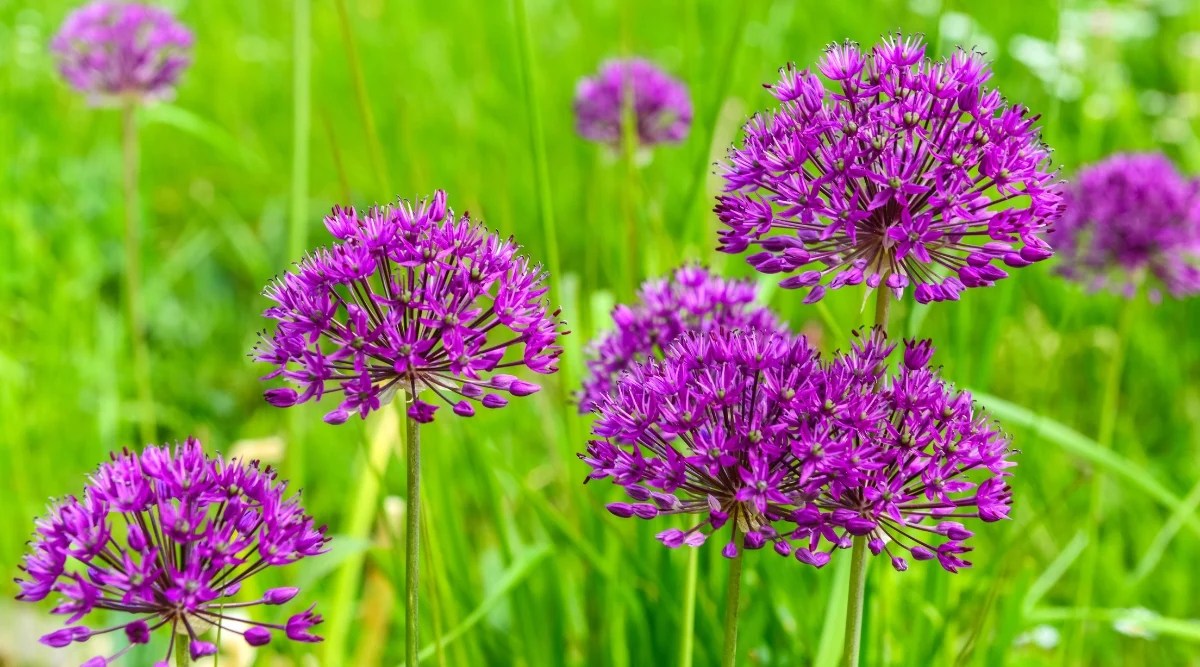
Allium
I love Allium . They are fall - establish bulbs that produce these magicalpurple repeated bloomsfloating on unripe stems in the spring . Like lollipops in the garden . They are members of the onion plant category and do not taste very adept , so cervid tend to avoid them .
Bearded Iris
Iris is aclassic garden repeated flower . The duncish flat blades of foliage are up in early spring . Then the unmistakable iris flower blooms shortly after . The rippled flower has three up petals and three downward petals . It is often purple , but there are in reality a variety of colour , including yellow , and tattle .
ensure the tubers ( rhizomes ) are not buried in the soil , or they will not bloom . Deer do n’t like eating the heavy flat folio ofIrises .
Bee Balm
Bee ointment is a bergamot odorous recurrent ( intend earl grey tea ) . It features tufts of shagged petaled blossom that emerge from the collar and then out the top . It always cue me of a muppet . Its blooms are long lasting in the summer and it attract great deal of pollinators .
Deer do not like the strong scent of it and will direct clear .
Black Mondo Grass
Black mondo gage is a pocket-size clumping groundcover . Its vivid sullen burgundy / black people of colour and the fine gage texture make this evergreen perennial really stand out . pair off it with shining chartreuse industrial plant . Angelina sedum is a authoritative copulate with calamitous mondo forage , and it also materialize to be cervid repellent .
cervid run to avoid the juiceless grassy texture of black mondo smoke .
Black-eyed Susans
Black - eyed Susansare a sure sign that fall has arrived . It has grown cone cell - shaped flowers with bright lily-livered flower petal and a grim center . Tuck these cheerful prime throughout your recurrent beds to lend a pa of declension colour after many other perennial are terminate bloom .
shameful - eyed Susans have prickly fuzzy folio and stem that are not tasty for deer .
Bleeding Heart
shed blood Heartis an sure-enough - fashioned garden ducky . Thisperennial thrives in the shadeand grows adult and luxuriant in the other bounce . Then it shoots out tendril occupy with float pink heart - influence heyday .
This plant is really toxic , so deer wo n’t go near it . But they may trample its sore hollow stems in guild to get to something more delicious .
Blue Oat Grass
sorry oat dope is a wonderful decorative grass . It shape a beautiful blue ball of amercement , spiky grass . The flowers look great on garden borders . It has an easy , low - maintenance vibration .
twin it with purple leafage plants such as ‘ Black Lace ’ Elderberry ( which is also deer immune ) for a real soda pop . I also wish it tucked up against large landscape rocks . Deerdon’t like the spiky dry textureof the grass .
Castor Bean
genus Castor bean are a tender perennial that will make mind twist . They await godforsaken ! In lower zones , Castor beans will produce large as an annual in a individual time of year . They have vainglorious pointed hand - mould leaves with blurry orange poufs of prime .
The leaf itself is tinge purple and some of the leave of absence will grow over a foot in diam ! Plant them in tumid container , like a barrel planter as they will grow to the size of the container .
These fast - growing perennials will not be munched in by cervid because they are very poisonous .

Catmint
Catmint has an unmistakable soapy smell . It ’s a lavender - like scent . It ’s a fairly large mounding perennial that is very fearless and fills a space . This repeated grows low to the land , and hold for gravid garden borders . It has small leaves and purple flowers in the summer that the bee love . It has a not bad cottage garden vibration .
cervid do not care its potent odor . But cats do , so you may have few deer but more cat hanging in your garden .
Daffodil
Spring bulbs can be a delicacy for deer . Tulips are toothsome , they will devour them to stumps . It is so frustrating to see all the first flowers of the time of year be destroy .
If this happens to you , essay planting daffodils . They are poisonous and the deer will obviate them . Plus their gay yellow faces are a sure sign that spring has get .
Elephant Ear
Alocasia is a very tender perennial . They have lovely green arrow shaped foliage . There are many varieties , large elephant ear and regal shell , to little african masquerade party and coffee cups . For garden below geographical zone 9 , treat them as an annual or bring them indoors over the wintertime .
Deer invalidate them because they are toxic . Oxalic window pane is the toxin found in all members of the araceae family , including alocasia .
Foxglove
Foxglove is a gorgeous biennial flower . It has tall spikes of Melville Bell shaped heyday that have the most intricate colors and spot in them . They are also vicious and will be totally void by deer . Check to see if foxglove is an invasive species in your area before planting . Keep it under control in your garden if you love it .
Globe Thistle
orb thistleis a unequalled perennial . It has silvery foliage that has a shrill thistle texture . It bloom purple spiky musket ball . They bloom in mid - tardy summer and stay integral well into the fall .
This perennial likes full Sunday and tolerates poor soil weather condition and is drouth broad . Deer do not wish the prickly thistle leaves or the sharp spiky blossom .
Goatsbeard
Goatsbeard is a nice large - sized perennial that produces plumes of feathery snowy flowers in the summer . It has limey green foliage and can grow large and shrub - like .
Goatsbeard is a toxic plant and deer will not touch it .
Lantana
Lantana is a beautiful flower . In the colder zones it can be planted as an annual flush . It has big clusters of flowers all over it . They hail in a variety of coloring material and patterns . They are well know tobloom through the entire yearif planted in the proper clime .
Deer do n’t wish the leathery leafy grain . Nor do they like the olfactory property of their mash parting ( I think it is kind of lemony smell ) . Use Lantana in garden beds or in containers .
Lavender
The pungent smell of lavender and their dry woody foliageprevents cervid from munching on them . Lavender is a miserable growing perennial that likes lots of sun and sandlike territory .
It produces lovely spikes of purple flush . And of course , it smells adorable ( to humans anyways ) . For downcast zone gardeners assay Munstead Lavender , which is recurrent as low as zone 4 . There aremany other types of lavenderto select from , bet on your hardiness zona .
Ligularia
Ligularia is a magniloquent , part shade perennial . It thrives in damp , boggy conditions . It has bombastic leaves and bright sensationalistic flowers . My favourite motley is ‘ The Rocket ’ which sport jagged foliage and longsighted stems of yellow flowers .
‘ Othello ’ is another nice variety , it has purple jot lily launching pad - shaped leaves with clusters of daisy - corresponding yellow leafage . Ligularia will take more sun if you could provide it with heap of water .
Deer do n’t wish their thick leaves and will usually leave this perennial alone .

Lily if the Nile
Lily of the Nile is a lovely perennial that can also be grown as an yearbook and over wintered indoors in colder zona . It has large spikes of empurpled or white flowers . cervid tend to avoid this one because of its thick grassy leafage and the scented flowers . A hungry enough cervid will eat them , but under normal condition , they will invalidate them .
Lily of the Valley
Lily of the valley is a very hardy , very aggressive land cover . Use precaution when implant this one . It is very toxic , spreads wildly , and has thick roots that are hard to remove . It can take over a garden bed . It ’s also one of the morepopular industrial plant in a shade garden .
Plant it in a contained country , or in an area where it is ok to freely overspread around . It has lovely ship’s bell - shaped flowers that blossom in spring and smell heavenly . Deer wo n’t touch this one , it is extremely toxic .
Lungwort
Lungwort is a low - growing priming coat binding repeated . It is one of the few perennials that will tolerate teetotal tint . Lungwort is even known to grow under spruce Tree . It blooms somewhat bell - shaped flowers in pink and purple in the very early spring . Then it has lovely large pointed leaves that are brood in irregular spotlight .
Lungwort has a fuzzy irritating texture . Deer do n’t care it , and I recommend wearing gloves when dealing with it .
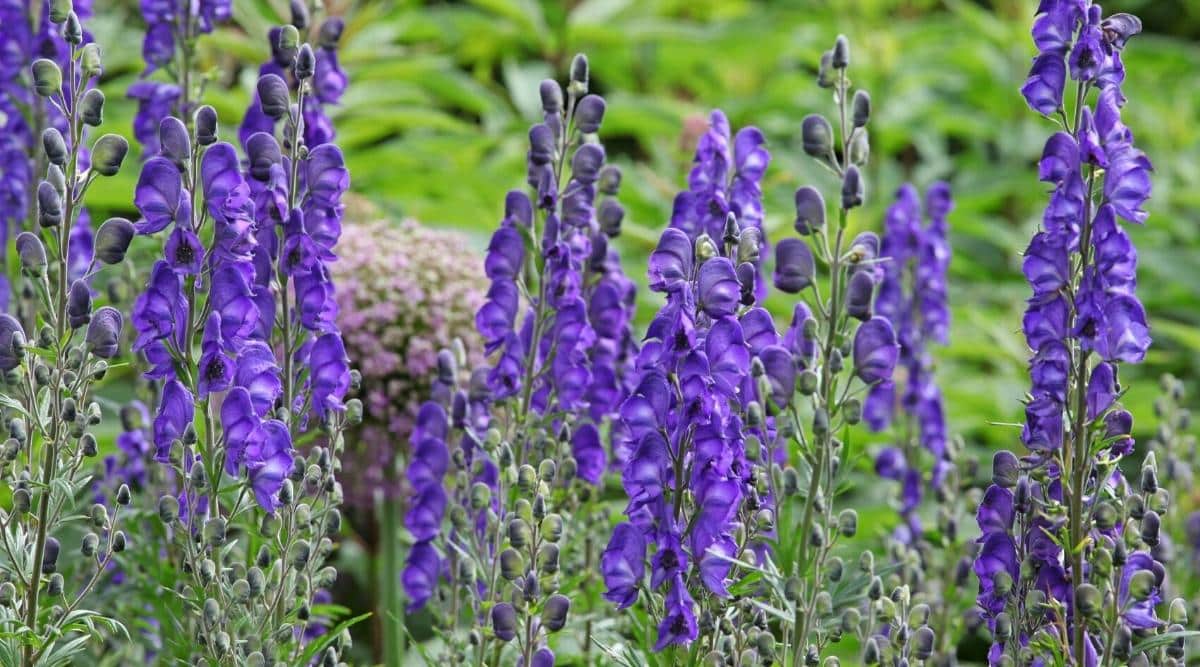
Monkshood
Monkshood is one of the most toxic plants in the garden . All animals will avoid it . It grow tall and has purple , violet and livid , or pinkish flower that look like little hooded monk . These plant mature to be quite large and take up a lot of space ( under the good conditions ) . It does n’t ego - seed and spread aggressively .
If yougrow monkshoodaround the perimeter of your garden it will help beat back cervid because they bang this one is not good to eat no matter how hungry they are .
Moss Phlox
In the summertime moss phlox blooms into large puddle of delicate blossoms . It is striking when it is in bloom , it fills up garden borders and creeps through careen seam . Then it has moss-grown evergreen plant foliage the balance of the season .
Deer do not care the spiky wry texture of moss phlox foliage .
Oriental Poppy
Oriental poppy are such a adorable sight in spring . Their gravid wide flower stick out out in a garden layer . They come in red , orange , bloodless , royal , and pink . Unlike the regular garden miscellanea of poppy , the oriental poppy does n’t spread , they remain put where they are planted .
Deer will nullify them as they are mildly toxic , and they do n’t observe their blurred leaves all too palatable .
Peony
This one always amazes me , but it is genuine . cervid do n’t really have a taste perception for paeony . They dislike their dense leathery leave . They also dislike the fragrance of the flowers .
So if you are really dealing with a deer job , weigh planting one of themore perfumed peony varietiessuch as ‘ edulis superba ’ . But if there are no other selection , a deer will crunch a peony .
Prickly Pear Cactus
cervid will definitely avoid prickly pear cactus . The tenacious spikes keep the cervid away . Plus they are a alone and endearing repeated . They have beautiful flower and are low care .
I maturate these in my front garden and I always have citizenry commenting on the huge xanthous heyday on this unique spiky plant . Full Sunday and sandy soil is all they ask . This is a native works to many parts of the US , and shit a great choice for xeriscaping .
Red Hot Poker
Red hot pokers are such a fun flower . This perennial has a grassy base , and then it shoots up projectile of flowers that go from yellowed to red ( also usable in other colors , form dependent ) . It is a very showy peak that will start blooming in early summer and keep on blooming until the fall .
This perennial is account to be moderately cervid insubordinate . If there are no other nutrient root it might crunch one . But for the most part , the grassy texture foliage is not appeal to cervid .
Russian Sage
Russian salvia is a spectacular woody perennial to add to the garden . It has argent leaf and majestic stiletto heel of flowers . It is a dispirited maintenance perennial that requires little water or attention . Deer do n’t wish its harsh foliage or its biting odor .
Final Thoughts
Whencreating a deer - immune gardenit is crucial to sympathise why a deer is avoiding a certain plant . If it is because of the grain or smell , it is a matter of how thirsty the cervid is / are . They will raven some of the plants on this tilt if that is all that is available .
The only matter they will not touch is the very venomous plants . But hopefully , a mixture of deer - resistive repeated plants will be enough to make the cute gadfly move on tomore delicious gardens .