Summary
As you walk on the streets , hear to the press , or even read magazines and newspaper , you must have come across the termsustainability . Simply , sustainability revolves around strike a balance between human activities andenvironmental protection . It focuses onresponsibleutilization of resourcesso that current social and economic bodily function do notnegatively impact future generations .
One of the region wheresustainabilityseems to yield a lot of weight isfood production . As the global population increases , thedemand for foodis increase every day . Unfortunately , extreme food yield method such as clearing timberland and the use of chemicals have been adopted to meet this demand . These method have anegative impact on the environment and may encourage someone and families to considersustainable foods . But , issustainable foodalways goodly ?
What Is Sustainable Food?
Understanding what constitutessustainable food
Now that you understand the termsustainability , you might be wonderingwhat sustainable food for thought is?Sustainable food refers tonutrition and food portionsthat have been produced , hand out , and consumed with the aim ofminimizing environmental degradation while promoting long - term availability .
There are a few fundamental factors that are critical to sustainable food for thought exercise :
Principles of Sustainable Food

Image credits:Farknot Architect via Shutterstock
Explanation
Health and Nutrition
Sustainable nutrient must promoteaccess to nutritious portionsfor the health and well - being of the consumers .

Image credits:creativeriver via Shutterstock
economical viability
Sustainable food practices shouldsupport small - scurf farmers and local economieswhile promote resiliency .
Adaptability

Image credits:Desertrose7 via Pixabay
Individuals should focalise on buildingresilient food systemsthat can overcome economic disruption and uttermost atmospheric condition change .
Social equity
Sustainable food for thought practices shouldembrace equitable treatment of employeesthrough safe working condition , fair wages , and employment benefit .
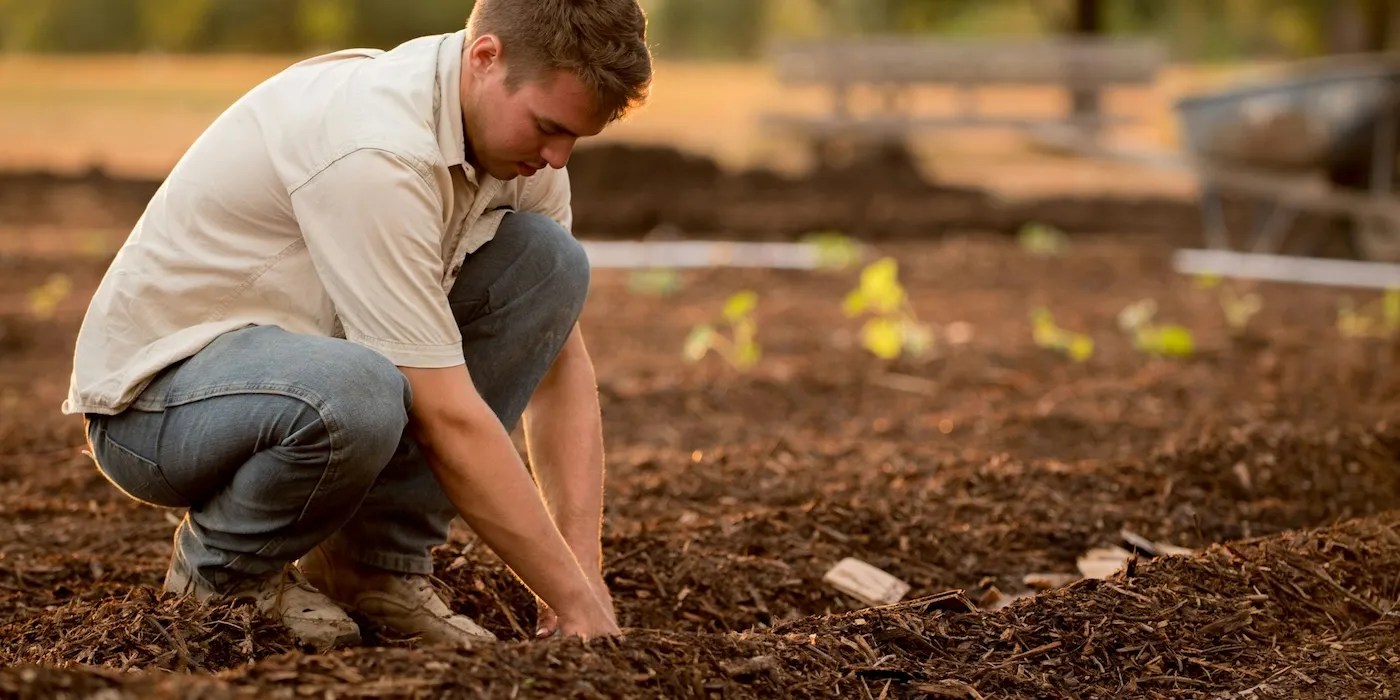
Image credit:Jed Owen via Unsplash
Environmental Protection
The backbone of sustainable food practices should revolve aroundreducing negative environmental impactsthrough efficient role of water , minimise chemical inputs , and reducing barren .
What Foods Are and Are Not Sustainable?
Understand what constitutes as sustainable food
As you venture into the world of sustainable solid food , it ’s all important to knowwhat is sustainable and what is not sustainable . With such entropy at hired hand , it will be much comfortable to make correct decisiveness about what to ingest and grow , versus what to avoid .
Sustainable Food
Not Sustainable nutrient

Image credits:Geshas via Canva
Season vegetables such asbeets , cabbages , parsnips , and cauliflower .
Beef
testis and seed such ashazelnuts , Brazil nuts , and macadamia tree nuts .
cheeseflower
legume such aslentils , peanuts , soy , chickpeas , peas , and beans .
whitened bread
Seasonal fruits such aspassion fruit , edible asparagus , lychees , cherry , and Charles Edward Berry .
sweet almond milk
Whole grains such as rye whisky , oats , and barley .
Rice
How to ProduceSustainable Food
Learn three methods ofsustainable foodproduction
With the current agricultural approaches proving to be a serious challenge to the environment , there is a huge drive towardssustainable food yield . Sustainable agrarian practices are require tominimize environmental pollution , enhance water utilization , and reduce the use of chemical . If you ’re concerned ingrowing healthy foodsustainably , there are some plan of attack that you could consider .
Grow Your Own Food
Growing food at homeis a strategic approach that can serve to protect the environment for next generation . You cangrow your own food in your backyard gardenwhere you do n’t have to clean forests and other significant features . Also , there are someindoor growing foodstrategies , such as usingcontainers , vertical husbandry , using organic fertilizers , and hydroponicsthat can helpgrow healthy nutrient .
Growing food at homeis sustainable because :
Employ Organic Farming
One of the good method acting ofgrowing healthy foodis by employing constitutional farming . You postulate to avoid the habit of syntheticfungicides , fertilizers , and pesticides . Also , you should debate using native seed that are adaptable to local status instead ofgenetically modified seed varietiesthat may lead to the consumption of unhealthy nutrient .
Consider Agroecology
According to theFood and Agricultural Organization of the United Nations , embracing husbandry practice thatintegrate natural ecosystem constitutes sustainable intellectual nourishment production . In this approach , farmers take agroforestry , intercropping , and crop revolution togrow sound food .
Is Sustainable Food Always Healthy?
Healthy food depends on portions, nutrition, and processing methods
Growing your foodthrough sustainable practices is a welcoming undertaking because it enhances environmental security . However , as you growsustainable food , you must also compensate attention to thehealthiness of the foodyou’ll be consuming , which invoke the question : Issustainable foodalways healthy ?
Sustainable food for thought is healthy . However , there are certain factor that determine the good health of the food for thought , such asprocessing methods , nutritional substance , and portion size . Therefore :
GrowSustainable FoodToday
Food and nutrition is of the essence to your health and the well - being of your family . With increase food monetary value owe to global requirement , you should look for way togrow your own intellectual nourishment . There are sustainable intellectual nourishment product practices that will not only ply your loved ace with substantive nutrition but also take concern of your environment for future generation . you could userainwater and compost(leaves around your chemical compound ) to producehealthy foodin your backyard . So , get embark on today !
